Crescent Garden Self-Watering Planters Review
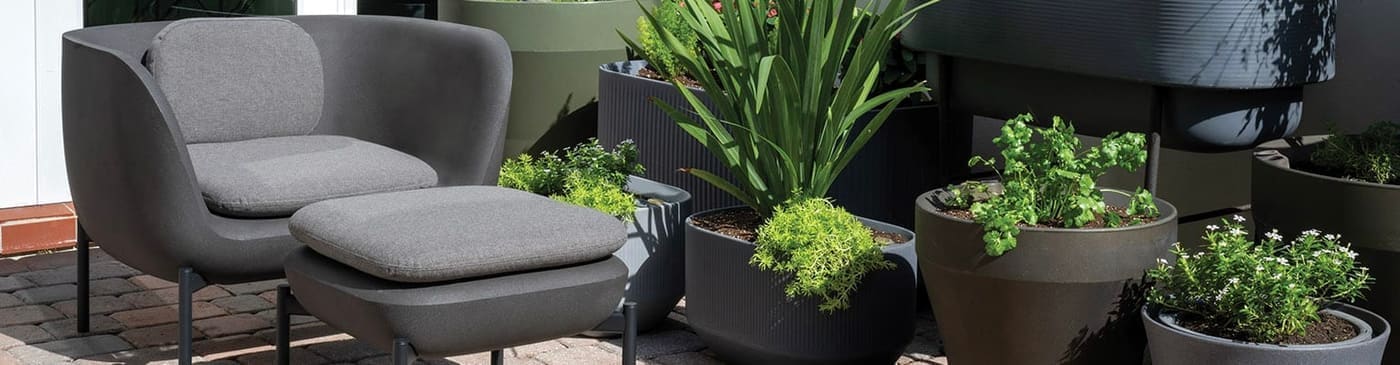
Double-walled planters with a proper water reservoir that turns 'I travel' and 'I forget' from plant death sentences into non-events. Looks like ceramic and glass fiber at a fraction of the weight; the honest trade is that it's premium-priced plastic, and you should be at peace with that.
- Type
- Double-walled self-watering containers
- Mechanism
- Internal reservoir with fill point and level indicator
- Best for
- Travelers, forgetters, and big statement containers
Reasons to buy
- The reservoir system genuinely changes container survival rates for forgetful owners
- A fraction of ceramic's weight — movable planters at sizes ceramic can't do
- Double-wall construction takes frost and sun seasons without the cracking lottery
- Fill intervals stretch to weeks once plants establish — vacations stop being plant funerals
Reasons to avoid
- It is, at the end of the arithmetic, expensive plastic — the look imitates pricier materials
- Self-watering needs a short learning curve; drainage setup matters outdoors
- Reservoir mode suits thirsty plantings — succulent people should mostly water by hand
- Large sizes reach real money where actual stone starts whispering
Container gardening's dirty statistic is the kill rate, and the murder weapon is almost always water — too little in July, too much in a cold week, a vacation that turned a doorstep planter into a memorial. Self-watering containers attack the actual failure mode: a reservoir below the root zone lets the soil wick what it needs, the plant drinks on its own schedule rather than yours, and a level indicator replaces guesswork with a glance.
Crescent Garden's execution earns its place in the category. The double-walled shells take the seasons — sun that chalks cheap pots, frost that cracks ceramic — while weighing a fraction of what they imitate, which changes what's possible: statement-sized containers that one person can actually move, on balconies whose weight limits would veto stone outright. Once a planting establishes, refill intervals stretch from days to weeks, and the difference in plant health is visible — even moisture is a luxury most hand-watered containers never experience.
The honest ledger: this is premium-priced plastic, however convincingly finished, and buyers should be at peace with the material rather than half-believing the illusion. The system rewards five minutes of learning — outdoor use wants the drainage configured so storms don't drown the reservoir, and the wick-from-below logic suits thirsty annuals, herbs and tropicals far better than succulents, whose people should stay old-school. And at the biggest sizes the pricing climbs to where real stone and glass fiber enter the conversation, which converts the decision from practical to aesthetic.
Self-watering containers do have a shape of plant they suit and one they don't, and knowing the difference prevents the disappointment people blame on the pot. Thirsty, fast-growing things — tomatoes, herbs in summer, most annual flowers, leafy greens — thrive on the steady moisture a reservoir provides, and this is where the design earns its reputation. Plants that want to dry out between drinks are the mismatch: succulents, rosemary and lavender, anything Mediterranean. Put those in a reservoir pot and the system will kill them slowly and politely while doing exactly what it was designed to do.
Two habits get the most out of one. First, water from the top for the first few weeks after planting — a young root system has not reached down to the reservoir yet, and the classic failure is a new plant dying of thirst above a full tank. Second, let the reservoir run empty occasionally rather than topping it up on a schedule; a brief dry period pulls air into the mix and discourages the root problems that permanently saturated soil invites. And in freezing climates, empty the reservoir before winter, because water expanding inside a sealed chamber is how these pots crack.
For the person who loves planted containers and reliably murders them — or just travels like a person with a life — this is one of those purchases that removes a whole recurring failure from the calendar. Buy fewer, bigger, and put them where the old pots kept dying. The reservoir will handle the part you were never going to be good at.
How we tested
The Crescent Garden Self-Watering Planters was scored against the same written rubric we apply to every Planters & Raised Beds product — real-world performance, build quality, ease of use, upkeep and value. Full protocol on our How We Test page.