
Feed the Soil, Skip the Fabric: Beds That Get Better Every Year
The bed products that dominate store shelves are optimized for the day you install them. Soil doesn't work on that timeline. Here's the honest hierarchy — what compounds, what merely persists, and the two bestsellers whose year-three reviews we'd make everyone read first.
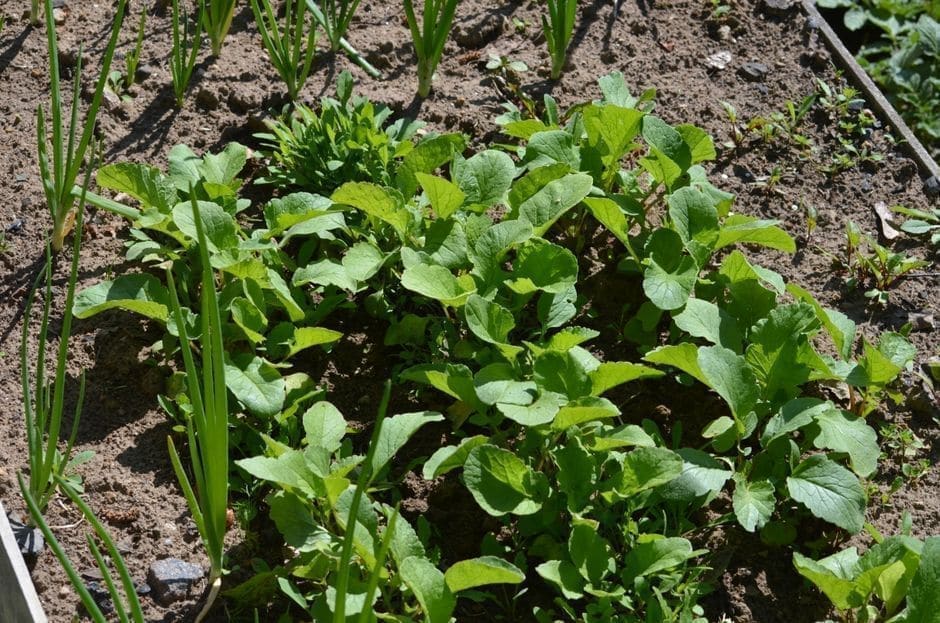
Our ratings at a glance
| Award | Product | Score | Price | |
|---|---|---|---|---|
| Best Foundation | Soil³ Bulk Compost DeliverySoil³ | 9.0/10 | — | |
| Best Structure | Corrugated Metal Raised-Bed Kits (Category Check) | 8.0/10 | — | |
| Paths Only | Landscape Fabric Weed Barriers (Category Check) | 5.2/10 | — | |
| Skip It | Rubber Mulch (Skip It) | 4.6/10 | — |
The compounding purchases
Compost and organic mulch are the only items in this aisle that improve with time — they disappear into the soil, and the disappearing is the value. Beds fed annually get easier to grow in every season: better structure, better moisture, fewer inputs. Everything else in the category should be judged by whether it helps or obstructs that cycle.
The persistence trap
Rubber mulch and landscape fabric sell permanence — never re-mulch, never weed. But permanence in a living system means never participating: the rubber feeds nothing while it heats the bed, the fabric seals the soil while weeds root happily in the dust on top of it. Both are miserable to ever remove. In a planted bed, 'lasts forever' is the warning label.
Structure belongs above the soil, not in it
Where permanence genuinely pays is the hardware around the bed: coated-steel raised beds that outlast lumber, and fabric where nothing grows — under paths and gravel. Put the durable materials in the structure, the perishable materials in the soil, and both will be doing their jobs a decade from now.
Best Foundation: Soil³ Bulk Compost Delivery
A yard of finished compost delivered beats the bag aisle on price and your back. The one purchase here that pays out in every later season — if you're in the delivery region.
Soil³ Bulk Compost Delivery
- Type
- Bulk organic compost, bagged delivery
- Format
- Cubic-yard bag dropped at your home
- Coverage
- Southeast US delivery region — verify your zip
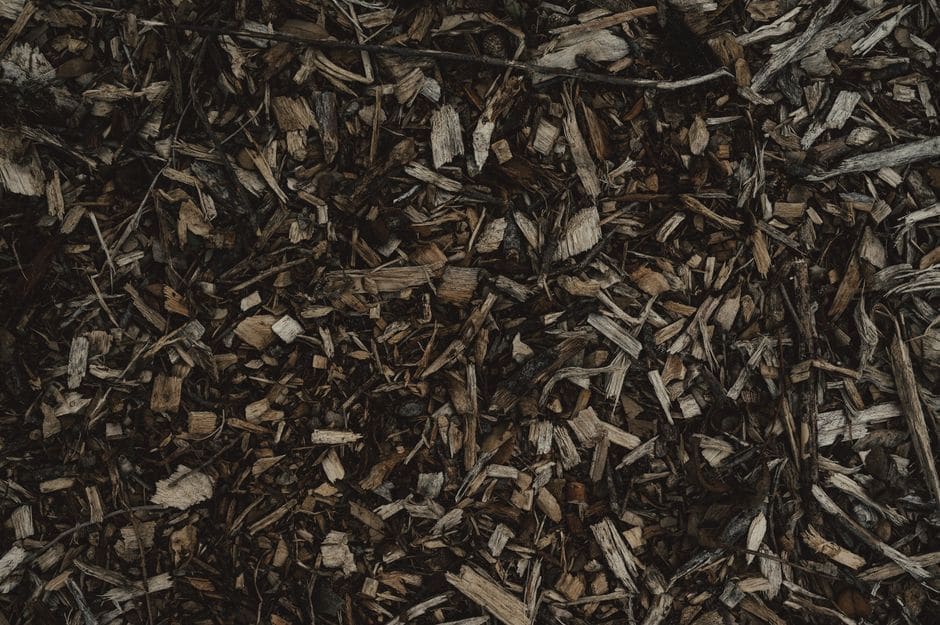
A cubic yard of finished compost in a giant bag on your driveway beats forty plastic sacks in every way that matters — cost per yard, quality consistency, and your back. The catch is geographic: delivery covers the Southeast, so check your zip code before falling in love.
Reasons to buy
- Bulk pricing per yard embarrasses the bagged-compost aisle
- Consistent, finished humus compost — not the mystery fill dyed to look rich
- The BigYellowBag drop beats both a loose dump pile and a forty-bag pallet
- One delivery handles a whole season of beds, lawn topdressing and planting
Reasons to avoid
- Regional delivery footprint — much of the country simply can't order
- A cubic yard is a lot of shoveling; the bag doesn't spread itself
- Overkill for a balcony or a couple of raised beds
- You'll want somewhere driveway-adjacent for the bag to sit
Best Structure: Corrugated Metal Raised-Bed Kits (Category Check)
The viral product that's actually good: faster than lumber, longer-lived than cedar money. Buy on gauge and coating; budget honestly for the soil volume.
Corrugated Metal Raised-Bed Kits (Category Check)
- Type
- Category review — galvanized/coated steel raised-bed kits
- Buy on
- Coating quality, panel gauge, rim finish
- Budget note
- Soil volume costs more than the bed
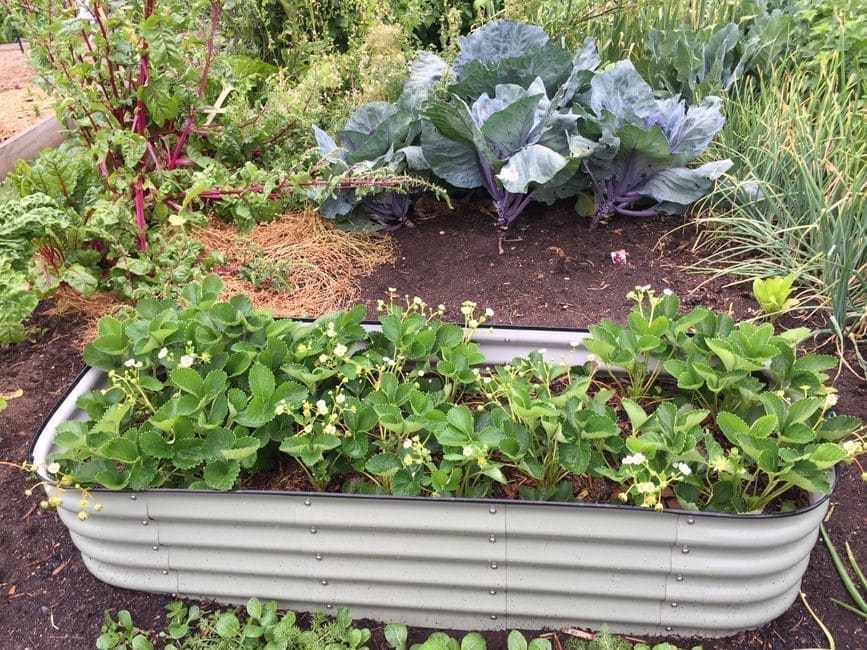
The galvanized-steel bed kits that took over garden social media are a genuinely good product: faster to assemble than lumber, longer-lived than untreated wood, and cheaper than good cedar. Buy on steel coating and panel gauge, budget honestly for the soil, and ignore the colour names.
Reasons to buy
- Outlasts untreated lumber by many seasons — coated steel doesn't rot
- Assembly is an hour with a wrench, not a weekend with a saw
- Tall versions are a legitimate accessibility win for backs and knees
- Undercuts quality cedar on price while matching its lifespan claims
Reasons to avoid
- The bed is the cheap part — filling a tall bed with soil is the real invoice
- Thin-gauge bargain kits oil-can and bow when filled; gauge is the spec that matters
- Metal warms beds early in spring but edges hot in extreme-summer climates
- Cut edges and cheap trim can be sharp — check the rim detail with kids around
Paths Only: Landscape Fabric Weed Barriers (Category Check)
Decades of honest service under gravel and stone. In a planted bed, a one-season honeymoon followed by the slowest-motion regret in the yard.
Landscape Fabric Weed Barriers (Category Check)
- Type
- Category review — woven/spun weed-barrier fabric
- Our position
- Paths and hardscape yes; planted beds no
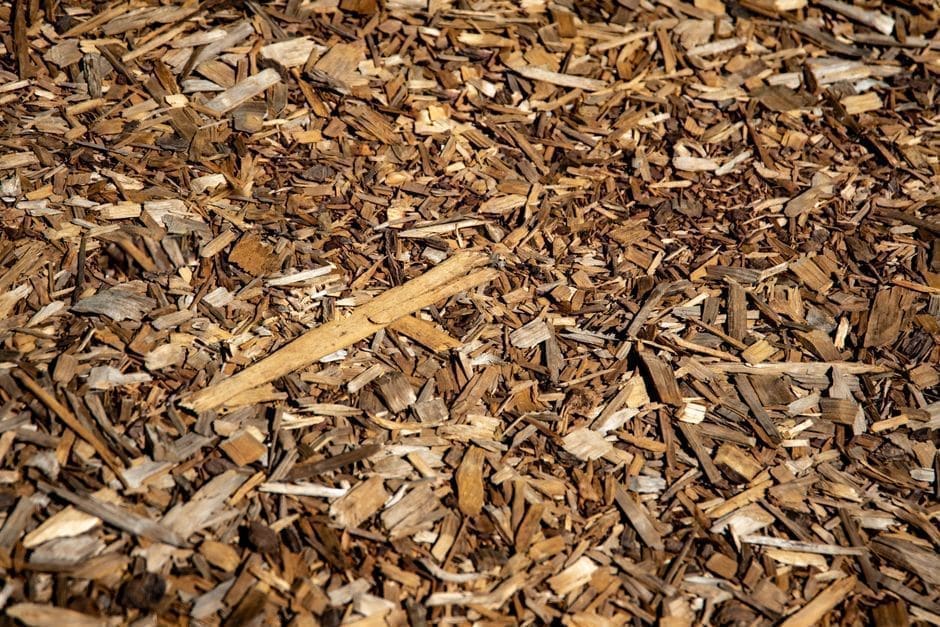
Works beautifully for about a season, which is the trap. Dust settles on top, weeds germinate in the dust, roots stitch through the mesh, and now you're weeding a fabric layer you'll someday curse while excavating. Legitimate under gravel paths; a slow-motion regret in planted beds.
Reasons to buy
- First-season results genuinely impress — that's why everyone tries it once
- Correct and durable under gravel paths, patios and rock features
- Useful short-term smother for clearing a weedy area before planting
Reasons to avoid
- Weeds simply germinate in the sediment that settles on top of it
- Roots grow through the mesh, making pulled weeds tear the fabric up with them
- Degrades soil life underneath by throttling air and water exchange
- Ages into shredded plastic tatters that surface for years
- Removal from an established bed is an archaeology project
Skip It: Rubber Mulch (Skip It)
Permanent is the problem: feeds nothing, runs hot, migrates everywhere, and has no exit. Playgrounds yes. Beds, never — the wood chips were the right answer all along.
Rubber Mulch (Skip It)
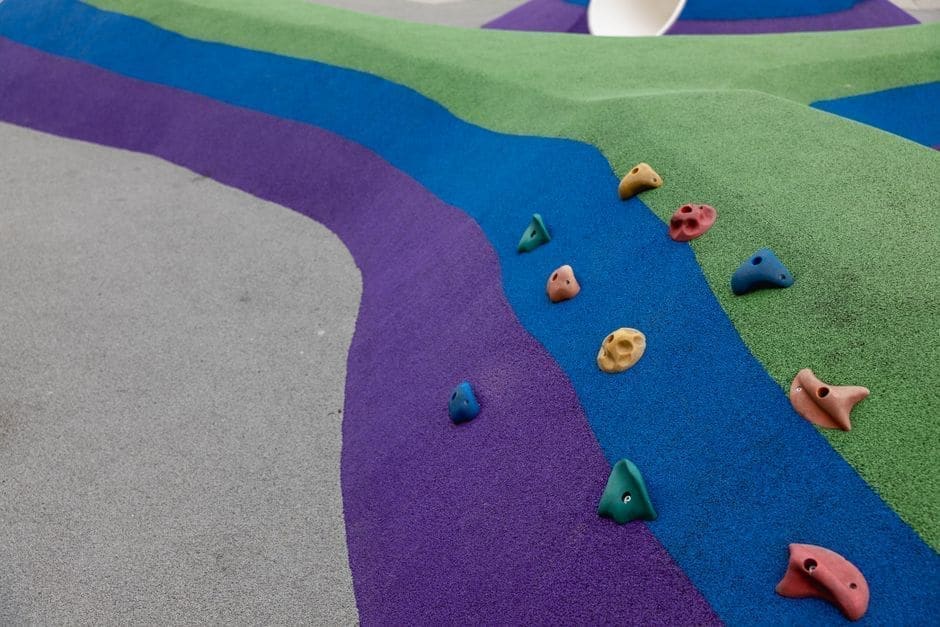
- Type
- Category review — shredded-tire landscape mulch
- Our position
- Not recommended for planted beds, full stop
The bestseller we exist to talk you out of. Rubber mulch promises to end the annual re-mulch, and delivers a bed of shredded tires that feeds your soil nothing, runs hot in the sun, migrates everywhere, and is a genuine nightmare to ever remove. Wood chips are not the boring choice — they're the correct one.
Reasons to buy
- It genuinely doesn't decompose — the durability claim is true
- Stays put marginally better than bark nuggets in wind
- A defensible choice under playground equipment, its original home
Reasons to avoid
- Feeds the soil precisely nothing — mulch's actual job, unperformed
- Gets uncomfortably hot in full sun, stressing the plants it surrounds
- Shreds migrate into lawn and beds and are effectively unpickable
- Removal means extracting rubber confetti from soil, approximately forever
- The 'never re-mulch' pitch prices out worse than wood over the actual timeline
How we tested
Every product in this guide was scored against the same written rubric for its category, by the same testers, using the products the way you would at home. Read the full protocol on our How We Test page. This guide was last verified July 29, 2026 — when a pick slips, we change the ranking and say so here.