Corrugated Metal Raised-Bed Kits (Category Check) Review
The galvanized-steel bed kits that took over garden social media are a genuinely good product: faster to assemble than lumber, longer-lived than untreated wood, and cheaper than good cedar. Buy on steel coating and panel gauge, budget honestly for the soil, and ignore the colour names.
- Type
- Category review — galvanized/coated steel raised-bed kits
- Buy on
- Coating quality, panel gauge, rim finish
- Budget note
- Soil volume costs more than the bed
Reasons to buy
- Outlasts untreated lumber by many seasons — coated steel doesn't rot
- Assembly is an hour with a wrench, not a weekend with a saw
- Tall versions are a legitimate accessibility win for backs and knees
- Undercuts quality cedar on price while matching its lifespan claims
Reasons to avoid
- The bed is the cheap part — filling a tall bed with soil is the real invoice
- Thin-gauge bargain kits oil-can and bow when filled; gauge is the spec that matters
- Metal warms beds early in spring but edges hot in extreme-summer climates
- Cut edges and cheap trim can be sharp — check the rim detail with kids around
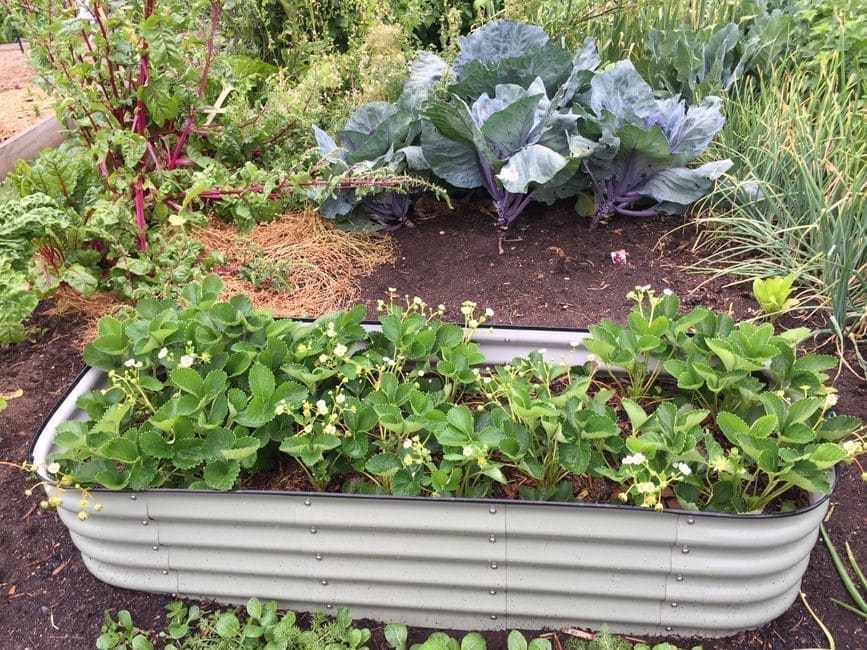
Every few years a garden product escapes the garden and becomes decor, and the corrugated metal raised bed is this cycle's winner — the wavy galvanized panels are now shorthand for a certain kind of orderly kitchen garden. Strip away the aesthetic moment and the product underneath is honestly good, which is not something we get to say about every viral yard purchase.
The case against lumber is straightforward. Untreated boards rot at the soil line in a handful of seasons; good rot-resistant cedar costs serious money; and the treated-wood-near-vegetables debate, whatever your position, simply doesn't arise with coated steel. The kits bolt together in an hour, hold their shape for many years, and the tall versions quietly solve a real problem — gardening at standing height for backs, knees, and anyone for whom ground-level beds are the reason they stopped growing food.
What separates a good kit from a regret is invisible in the product photos: panel gauge and coating. Bargain kits use steel thin enough to bow and 'oil-can' when tons of wet soil lean on them, and skimp on the coating that's the entire rot-proofing argument. Check the gauge, check how the rim is finished — a raw cut edge at child height is a design failure — and treat the colour palette as the marketing it is. One more physics note: metal beds warm early in spring, a genuine advantage in cool climates that becomes a watering chore at the sun-baked edges of a brutal-summer one.
Two questions come up constantly about metal beds and both have reassuring answers. Does the metal cook the soil in summer? The edges warm in direct sun, but a bed of any real depth holds soil temperature far more stubbornly than a few inches of sunlit steel can change — the plants near the sunny edge may notice, the bed as a whole does not. Does the coating leach into the soil? The galvanised coating used on garden-grade beds is zinc, which is a plant nutrient in small amounts and stays largely put in the soil pH range vegetables prefer. Neither concern is worth choosing a different material over; both are worth knowing so the internet cannot alarm you with them later.
Height is the specification that most affects how you will actually feel about the bed, and it is chosen on looks far too often. A knee-high bed is cheap to fill and asks you to kneel, which is fine now and less fine in ten years. A waist-high bed is the one that changes gardening for anyone with a bad back, and it is also the one whose fill cost is genuinely startling. Choose the height for the body doing the gardening rather than for the photograph, and be honest that the tall ones cost more than their price tag suggests.
The budget surprise is the fill. A tall bed swallows an astonishing volume of soil mix, and buying it in bags at the store can exceed the cost of the bed itself — plan a bulk soil-and-compost delivery, or use the depth honestly with a base layer of coarse organic matter under the growing mix. Do that arithmetic before checkout and the metal bed is one of the better structural buys in the modern yard: the rare trend purchase that will still be quietly working long after its hashtag.
How we tested
The Corrugated Metal Raised-Bed Kits (Category Check) was scored against the same written rubric we apply to every Planters & Raised Beds product — real-world performance, build quality, ease of use, upkeep and value. Full protocol on our How We Test page.