Landscape Fabric Weed Barriers (Category Check) Review
Works beautifully for about a season, which is the trap. Dust settles on top, weeds germinate in the dust, roots stitch through the mesh, and now you're weeding a fabric layer you'll someday curse while excavating. Legitimate under gravel paths; a slow-motion regret in planted beds.
- Type
- Category review — woven/spun weed-barrier fabric
- Our position
- Paths and hardscape yes; planted beds no
Reasons to buy
- First-season results genuinely impress — that's why everyone tries it once
- Correct and durable under gravel paths, patios and rock features
- Useful short-term smother for clearing a weedy area before planting
Reasons to avoid
- Weeds simply germinate in the sediment that settles on top of it
- Roots grow through the mesh, making pulled weeds tear the fabric up with them
- Degrades soil life underneath by throttling air and water exchange
- Ages into shredded plastic tatters that surface for years
- Removal from an established bed is an archaeology project
Landscape fabric is the yard's great honeymoon product. Year one delivers exactly what the roll promised: clean beds, no weeds, smug satisfaction. The reviews that matter are written in year three, and they all tell the same story — because the fabric doesn't fail by breaking, it fails by succeeding at the wrong layer.
Here's the mechanism. Mulch and dust settle on top of the fabric and quietly become a thin soil layer. Weed seeds — which arrive by air, not from below — germinate in that layer happily. Their roots hit the fabric and grow through the mesh, which means pulling the weed now lifts the fabric with it, tenting it out of the bed in torn flaps. Meanwhile, underneath, the barrier is doing to your soil what it was meant to do to weeds: throttling the water, air, and organic matter that soil life runs on, leaving the ground under the fabric compacted and dead compared to the bed you started with. You end up with the weeds and a degraded bed, connected by a layer of shredding plastic.
The removal chapter deserves its own warning, because it's the part nobody prices in. Aged fabric doesn't come out in a satisfying sheet; it comes out in tatters, interwoven with the roots of every plant you actually like, surfacing at the edge of the bed for seasons afterward like plastic archaeology. Ask anyone who has renovated a fabric-and-rock front yard installed a decade ago — it is the single chore that converts people into mulch evangelists.
Removal is the part nobody warns you about, and it is the reason this material has such a bad reputation among people who inherit gardens. Fabric that has been down for years does not lift out; it tears into strips, tangles into every root it met, and comes up in handfuls mixed with soil and plastic shreds that then have to be picked out by hand. Whoever eventually redesigns that bed — you, or the next owner — pays for a weekend of easy weeding with a weekend of a much worse job. That deferred cost is real even though it never appears in the decision.
There is a middle path for anyone who genuinely needs a season or two of relief while a bed establishes: sheet mulching with cardboard. Flattened plain cardboard under a thick layer of chips does the same light-blocking job, suppresses the first flush of weeds just as well, and then rots into the soil instead of becoming a permanent layer to excavate. It is free, it is reversible by doing nothing, and it fails safely. The only thing it lacks is a product page.
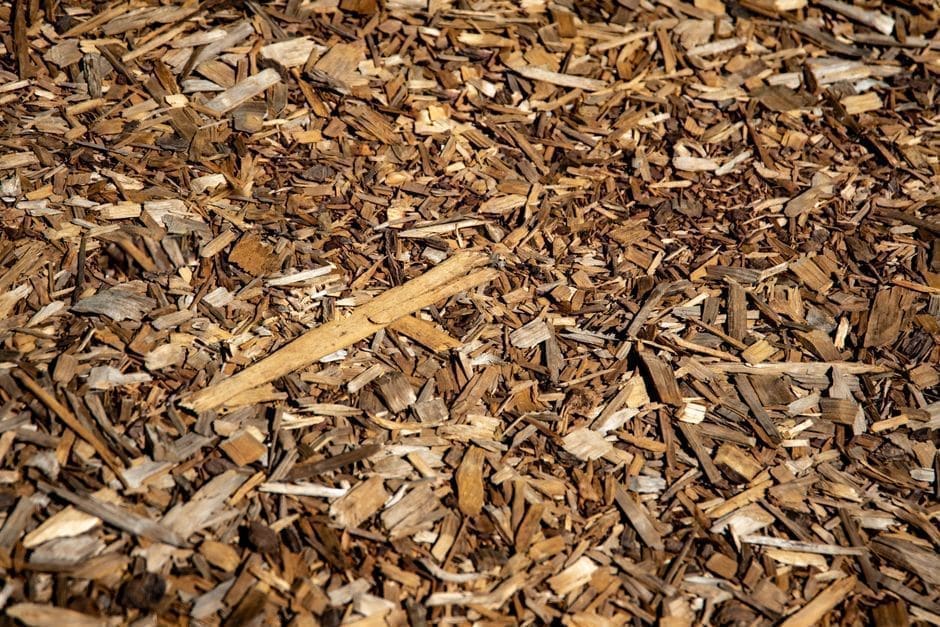
None of this indicts the material where it belongs: under gravel paths, patio bases, and rock features, separating stone from soil with nothing meant to grow through — there it works for decades, and that is a genuinely good use of it. For planted beds, the boring answer wins again: a thick coarse-chip mulch does the same weed suppression, feeds the soil instead of sealing it, and asks nothing at removal because there's nothing to remove. The fabric's first year is its whole highlight reel. Plant for year five instead.
How we tested
The Landscape Fabric Weed Barriers (Category Check) was scored against the same written rubric we apply to every Soil & Mulch product — real-world performance, build quality, ease of use, upkeep and value. Full protocol on our How We Test page.