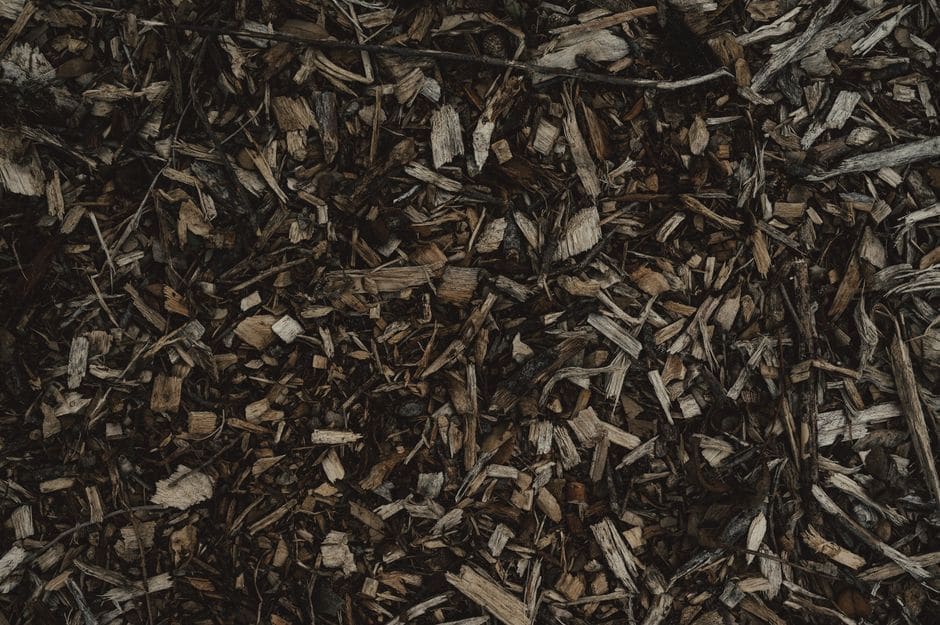
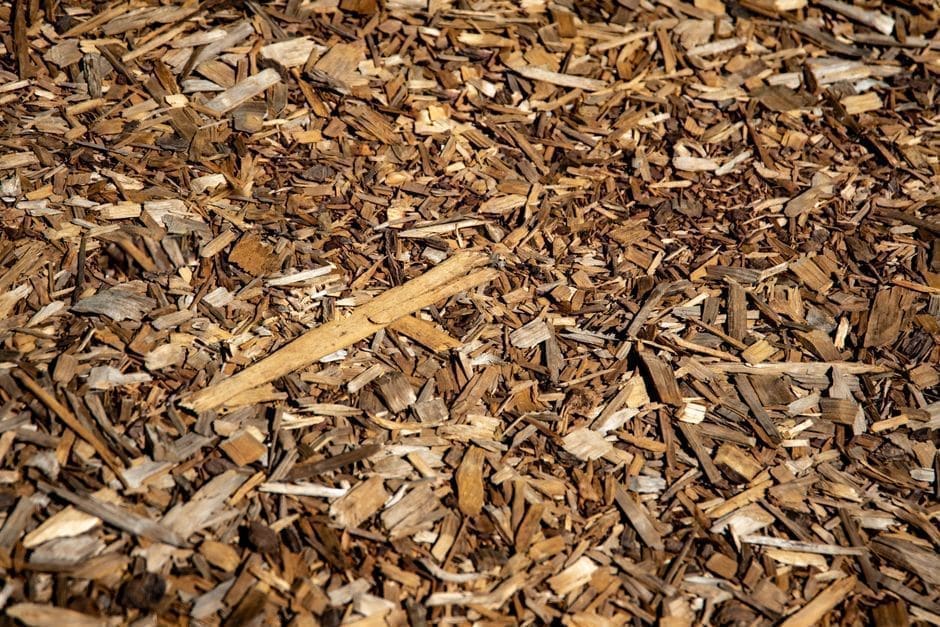
Rubber Mulch (Skip It) Review
The bestseller we exist to talk you out of. Rubber mulch promises to end the annual re-mulch, and delivers a bed of shredded tires that feeds your soil nothing, runs hot in the sun, migrates everywhere, and is a genuine nightmare to ever remove. Wood chips are not the boring choice — they're the correct one.
- Type
- Category review — shredded-tire landscape mulch
- Our position
- Not recommended for planted beds, full stop
Reasons to buy
- It genuinely doesn't decompose — the durability claim is true
- Stays put marginally better than bark nuggets in wind
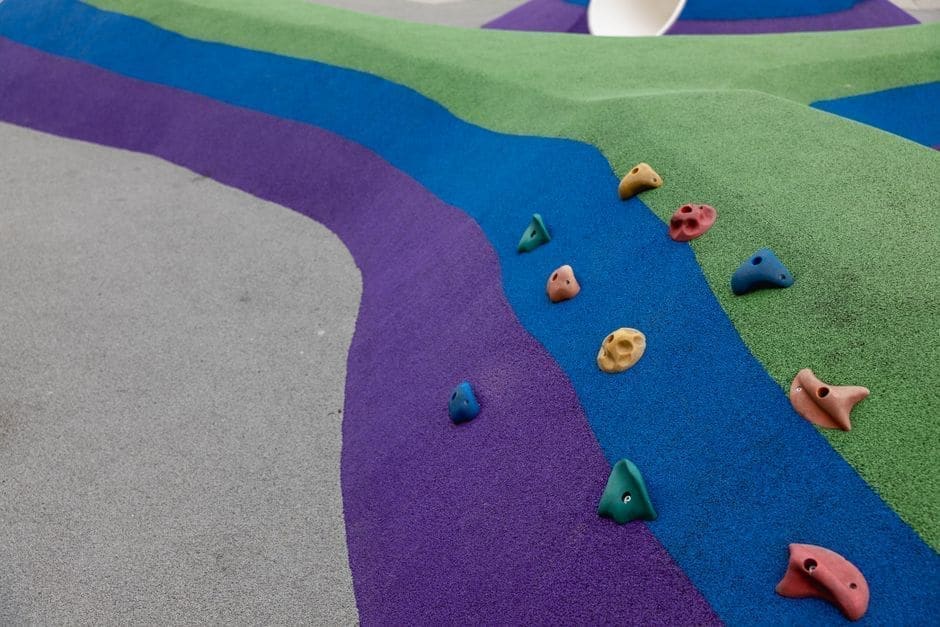
- A defensible choice under playground equipment, its original home
Reasons to avoid
- Feeds the soil precisely nothing — mulch's actual job, unperformed
- Gets uncomfortably hot in full sun, stressing the plants it surrounds
- Shreds migrate into lawn and beds and are effectively unpickable
- Removal means extracting rubber confetti from soil, approximately forever
- The 'never re-mulch' pitch prices out worse than wood over the actual timeline
This site is named for mulch, so let's spend our credibility where it counts: the most heavily marketed mulch in the store is the one we'd never put in a planted bed. Rubber mulch — shredded tires, dyed brown or red or black — sells on a single irresistible sentence: never buy mulch again. The sentence is true. It's everything around it that goes wrong.
Start with what mulch is for. Wood chips suppress weeds and hold moisture, yes — but their real job is slower: they rot, and in rotting they feed the soil food web that feeds your plants. That decay isn't the product wearing out; it is the product working. Rubber's pitch — it never decomposes! — is an admission that it will never once do the most valuable thing mulch does. You're buying a permanent version of the wrong thing.
Then the practical grievances, which every long-term owner accumulates in the same order. Dark rubber in full sun runs hot — hot enough to stress shallow-rooted plantings that organic mulch would have kept cool. The shreds travel: into the lawn where the mower finds them, into neighbouring beds, into soil itself, where they work downward and become effectively permanent grit. Which sets up the cruelest discovery, usually made by whoever buys the house next: rubber mulch has no exit. Wood chips you simply let rot into the bed. Rubber must be picked, sieved, and hauled out of living soil piece by piece, and it never fully leaves. Few purchases in the yard are this hard to undo.
The economics don't even rescue it. Rubber costs multiples of wood up front; the 'savings' arrive as skipped top-ups years down the road — by which point sun-fade has dulled the colour you paid for, and you've spent seasons hosting a hot, sterile bed to save an annual chore that takes one pleasant morning. As for the safety-and-leaching debate around tire crumb, we'll say only that it remains genuinely contested — but note that you don't need to resolve it to reach a verdict here. The horticultural case is already closed.
The heat point is the one gardeners notice first and complain about least accurately, so it is worth stating carefully. Dark rubber in full sun gets considerably hotter than wood chips do, and that heat sits directly against the crowns and shallow roots of whatever you planted, day after day through the part of summer when the plant can least afford it. It is not that rubber mulch will visibly scorch a bed overnight; it is that it quietly makes a hot site hotter, in the exact spot where a mulch was supposed to be doing the opposite.
There is also a disposal problem waiting at the end, which is the part the sustainability marketing skips. Rubber mulch is sold as recycling, and it is — once. After that, a bed full of shredded tyre crumb mixed into soil is not compostable, not accepted by green waste, and genuinely difficult to separate out. Wood chips solve their own disposal by disappearing. Rubber hands the problem to whoever gardens that bed next, which in most cases is still you.
Where rubber earns its keep is where it came from: under swings and play structures, where impact absorption is the whole job, nothing is meant to grow, and containment borders keep it home. That's a fine product. In a planted bed, it's the wrong material wearing mulch's name — skip it, buy the wood chips, and let them quietly do their disappearing act. That's what you paid for.
How we tested
The Rubber Mulch (Skip It) was scored against the same written rubric we apply to every Soil & Mulch product — real-world performance, build quality, ease of use, upkeep and value. Full protocol on our How We Test page.